
CAR DRY CLEANER
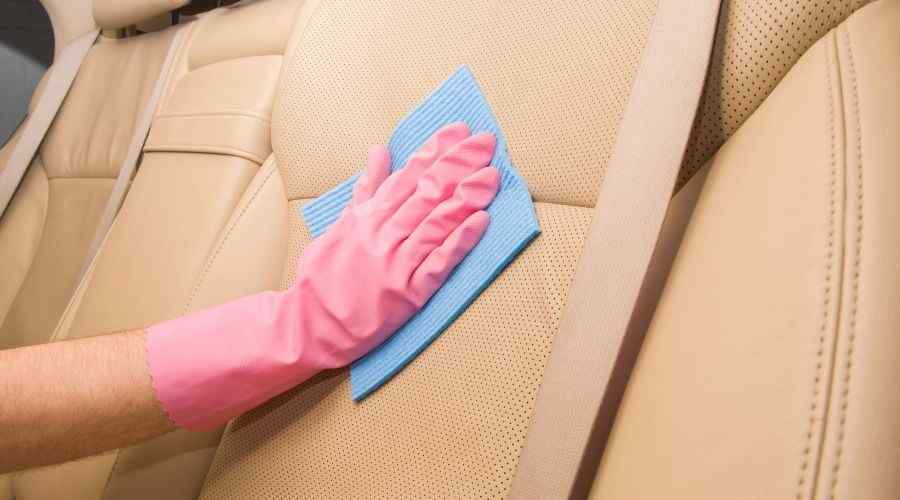
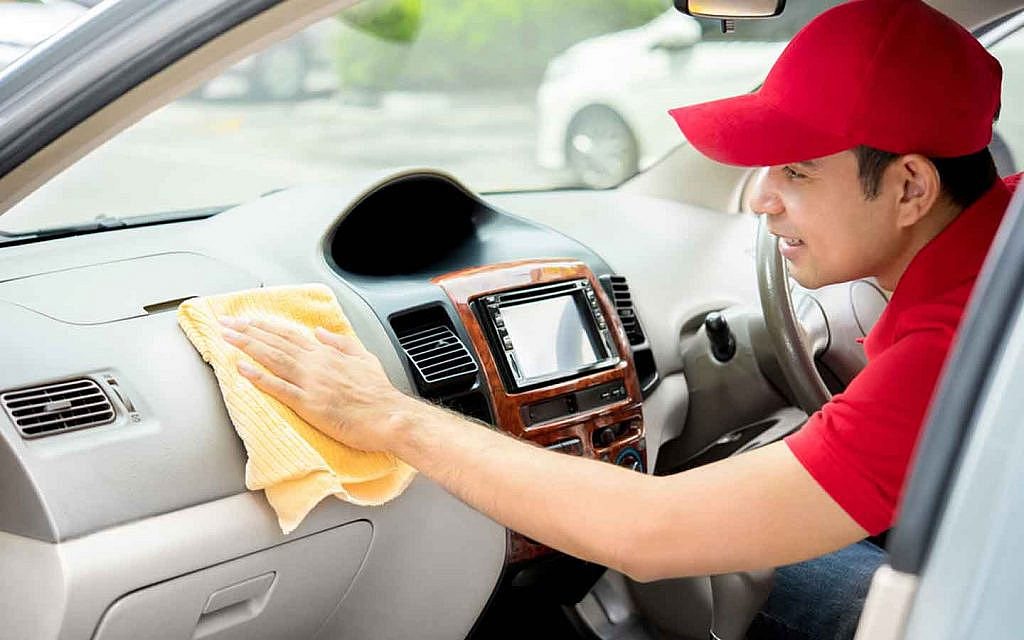
The truth is, waterless car wash products are safe for use on most cars. But there are a few factors that can render the process less-than-desirable or even downright damaging. And while it is quick and convenient, it does take some time and energy. Despite the name, dry cleaning is a process that uses liquids other than water to clean clothes, bedding, upholstery and other types of fabrics. Water can damage certain fabrics — such as wool, leather and silk — and a washing machine can wreak havoc on buttons, lace, sequins and other delicate decorations.The fundamental difference between dry cleaning and laundering is water; dry-cleaning does not use water while laundering does. Most dry cleaners use chemical solvents like perchloroethylene (PERC) to get rid of stains like pen ink while the process of laundering uses gentler soaps and detergents. Hose off the vehicle to remove loose dirt and debris. Use one bucket containing detergent to clean the wheels using the scrub brush and a sponge or mitt. Dump out the dirty water as necessary. Wash the rest of the car with soapy water and rinse your sponge or mitt often.Wash your car with car shampoo. Cleaning your car with a car shampoo is vital to making your car shine. ... Apply a good polish. ... Wax the car. ... Have any paintwork damage repaired. ... Supagard Paint Protection. ... Don't forget the glass. ... Go the extra mile with a tyre shine.Park the vehicle in the the shade. ... Rinse the car to remove loose dirt. ... Use two buckets, one for the cleaning solution and the other for clean water. ... Start at the top, and work your way down. ... Rinse, and dry the car. ... Feel the surface, consider using a clay bar if needed. ... Wax your car.Even though you may be tempted to just quickly hose down your car, it is best to wait until the temperature rises. Generally, the safe temperature for a car wash is 49 degrees Fahrenheit and above. The ideal temperature, however, is between 50 and 89 degrees.